Real change begins
with clarity

Backed by medical evidence, MORROW Insights
bring clarity and direction.

Backed by medical evidence, MORROW Insights bring clarity and direction.

STEP 1: TESTS

One clear starting point.

Your journey begins with tests that show how your body functions today, alongside key indicators linked to ageing—guided by doctors to help you understand what it means.

STEP 2: UNDERSTAND YOUR RESULTS

Change grows in community.

MORROW Medical’s group discussion is a 90-min session among 6-10 people, explaining key outputs, common patterns, and how to interpret the screening results. 


Explore how lifestyle factors influence long-term health. The benefits include:


  • Better understanding through shared learning: Learn from answers you didn’t know you were looking for

  • More time allocated for education and explanation

  • Engaging and dynamic discussions make the session interactive and memorable


  • Evidence-based approach for behaviour change: Supports commitment to health recommendations

Note: Group discussions do not replace the 1:1  consultation. Patients who attend it are expected to follow up with a 1:1 consultation for a personalised management plan. For individuals with more complex conditions, a 1:1 consultation may be recommended. Alternatively, patients may choose to consult their preferred general practitioner.

STEP 3: PERSONALISE YOUR PATH

Clarity, when it matters most.

For individuals who want a deeper, more personalised understanding of their health, a 45-minute 1:1 consultation with a MORROW doctor offers dedicated time to interpret results in context and plan next steps.
 

This consultation is suitable for anyone seeking greater clarity—and is especially helpful when results raise questions, reveal abnormalities, or warrant more detailed discussion and guidance.

This personalised consultation allows more time to review your results in context, align them with your goals, and build a prioritised action plan. ​

Backed by our wider network of allied health experts, recommendations are designed with downstream support in mind—so next steps across lifestyle medicine remain integrated, realistic, and sustainable. While these specialists are not present during the consultation, their expertise informs the pathways we guide you toward.​

For those who want to go even further, targeted add-ons tests are available to explore specific areas in your health.

What we test

Biomarkers, functional capacity testing, and clinical interpretation—not just what’s in your blood.

What it indicates

These markers reveal how your body is working today — highlighting strengths, early shifts, and areas that may need attention.

What you can do about it

Your results are translated into clear, practical steps through a medical consultation, helping you take informed actions that fits your daily life. For additional support, a health coach may be recommended.

What you can do about it

Your results are translated into clear, practical steps through a medical consultation, helping you take informed actions that fits your daily life. For additional support, a health coach may be recommended.

What’s inside your insights 

What’s inside your insights 

Tests that detect early decline, years before diseases appear in your blood tests.
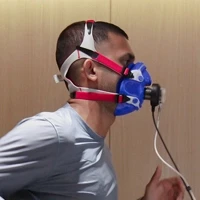
VO₂max (aerobic fitness)

Shows how efficiently your heart, lungs, and muscles work together under effort — a powerful indicator of cardiovascular fitness and long-term resilience that routine screenings don’t capture.

DEXA scan (muscle, fat, bone)

The gold standard for measuring bone density, muscle mass, visceral fat distribution, and precise body composition analysis.

Strength and power

Validated tests measuring functional capacity and physical resilience linked to healthy ageing.

Spirometry (lung function)

Assesses how well your lungs move air and support endurance, recovery, and daily energy — an important marker most screenings overlook.
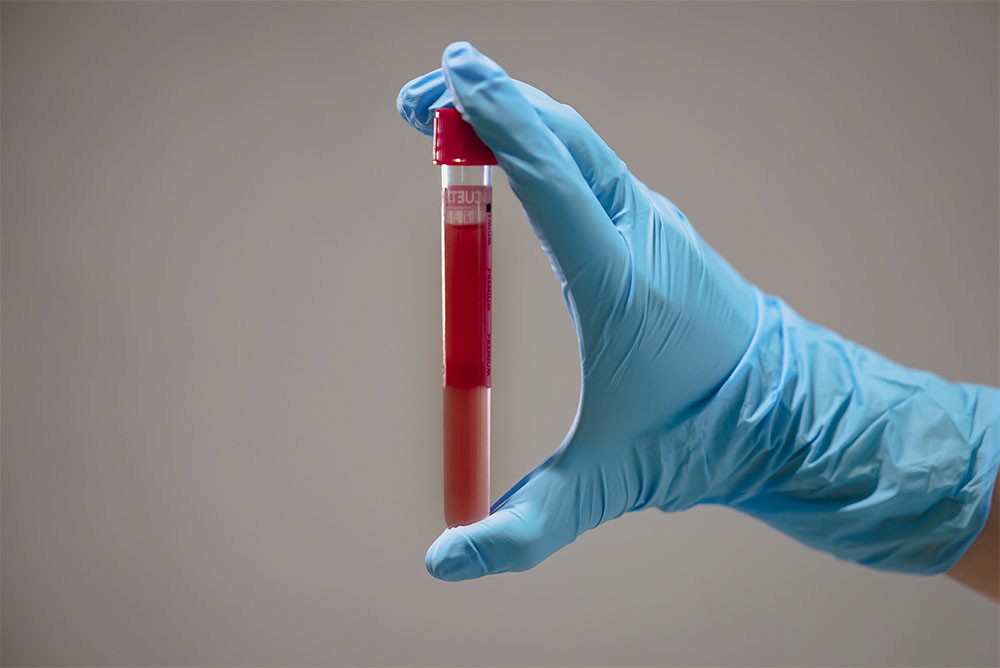
Comprehensive blood biomarkers

Validated markers evaluating metabolic health, cardiovascular risk, organ function, inflammation, and nutritional status.

Psychological well-being

Insights into mental and emotional health that influence daily functioning, resilience and long-term healthspan.

Haematology

FBC

Full blood count checks if your blood cells are healthy, helping identify signs of infection, inflammation or other blood-related changes.

Blood film

Looks closely at the shape and appearance of blood cells to spot abnormalities not visible in standard counts.

Disclaimer

Glucose

HbA1c

Hemoglobin A1c shows your average blood sugar levels over the past 3 months.

Fasting glucose and insulin

Assess how your body regulates blood sugar and can highlight early changes in insulin sensitivity.

Disclaimer

Kidney function

Sodium/potassium/chloride

Assesses fluid and electrolyte balance, which the kidneys help regulate.

Urea

Provides context on waste product handling, interpreted alongside hydration, diet and kidney function.

Disclaimer

Creatinine

Measures kidney filtering efficiency.

Disclaimer

eGFR

Estimated glomerular filtration rate gives an overall estimate of kidney function.

Disclaimer

Bicarbonate

Shows how well your body maintains healthy acid–base balance.

Disclaimer

Calcium

Assesses total and corrected calcium balance, interpreted alongside kidney function and other markers.

Disclaimer

Phosphate

Assesses phosphate balance, interpreted in the context of overall metabolic and kidney health.

Disclaimer

Urinalysis

Screens for early signs of kidney issues, infection, or metabolic problems.

Disclaimer

UACR

Urine albumin–creatatinine ratio is a simple urine test that detects early kidney damage by measuring protein leakage—often before symptoms appear. Elevated levels also signal increased cardiovascular risk, enabling early, preventive action.

Disclaimer

Liver function

Total Protein

Provides an overview of protein balance in the blood, influenced by liver synthesis, nutrition and immune activity.

Albumin

Reflects longer-term protein production, interpreted in the context of inflammation, nutritional status, liver function, and overall health.

Disclaimer

Globulin

Represents immune-related proteins and provides context on immune activity.

Disclaimer

A/G ratio

Shows the balance between albumin and globulin.

Disclaimer

ALP

Alkaline phosphatase test helps assess bile flow or bone-related activity, interpreted alongside other markers.

Disclaimer

Total bilirubin

Provides insight into how bilirubin is processed and cleared.

Disclaimer

Indirect bilirubin

Helps clarify the cause of raised bilirubin levels.

Disclaimer

GGT

Gamma-glutamyl transferase is a sensitive marker of liver or bile duct stress, influenced by alcohol, medications and metabolic factors.

Disclaimer

AST

Aspartate transaminase is an enzyme that rises with liver or muscle stress.

Disclaimer

ALT

Alanine transaminase is an enzyme more specific to liver cell stress.

Disclaimer

Lipid panel

Total cholesterol

Measures overall cholesterol levels.

HDL

High-density lipoprotein is “good” cholesterol that supports heart health.

Disclaimer

LDL

Low-density lipoprotein is “bad” cholesterol that can build up in arteries.

Disclaimer

Triglycerides

Blood fats linked to metabolic and heart disease risk.

Disclaimer

Cholesterol/HDL ratio

Combined measure used to estimate heart-related risk.

Disclaimer

Inflammation

Hs-CRP

High-sensitivity C-reactive protein is a marker of low-grade inflammation in the body, linked to cardiovascular risk.

Ferritin

Reflects iron storage levels and can be influenced by both iron status and inflammation.

Disclaimer

Nutritional markers

Iron

Provides information about circulating iron levels.

Transferrin

Reflects the body’s iron transport capacity, supporting interpretation of iron availability.

Disclaimer

TIBC

Measures the blood’s capacity to carry iron.

Disclaimer

Saturation

Shows how much transferrin is filled with iron, clarifying whether iron is relatively low or adequate.

Disclaimer

Vitamin B12 and folate

Key nutrients involved in red blood cell production and nervous system function.

Disclaimer

Vitamin D

Key nutrient for bones and immune health.

Disclaimer

DEXA

Body fat %

Shows overall body fat levels, helping guide metabolic and lifestyle strategies beyond weight alone.

Visceral fat

Assesses fat around organs, which carries higher metabolic risk.

Disclaimer

Lean mass

Reflects muscle quantity, supporting strength and healthy ageing strategies.

Disclaimer

Bone mineral density

Provides information on bone strength.

Disclaimer

Android/gynoid fat ratio

Shows if fat is carried more around the belly or hips, offering additional insight into metabolic patterns.

Disclaimer

Left-to-right muscle balance

Highlights muscle imbalance between the right and left side, guiding movement or strength planning.

Disclaimer

Disclaimer: DEXA scanning involves exposure to low-dose ionising radiation.
This test is not recommended if you are pregnant, may be pregnant, or are breastfeeding. Please inform our staff if any of these apply to you.

Disclaimer: DEXA scanning involves exposure to low-dose ionising radiation. This test is not recommended if you are pregnant, may be pregnant, or are breastfeeding. Please inform our staff if any of these apply to you.

VO₂ max

VO₂ max

Measures how efficiently your body delivers and uses oxygen during exercise. It is a gold-standard marker of cardiovascular fitness and one of the strongest predictors of long-term health and longevity. This 8–12 minute progressive exercise test provides a clear snapshot of your cardiorespiratory fitness. It evaluates how effectively the heart, lungs, and muscles work together, with results benchmarked against age- and sex-matched norms to identify potential fitness limitations. The test is time-efficient and closely monitored, following a full ramp protocol that progresses to maximal effort, ensuring robust, accurate, and meaningful results.

Strength and power

Countermovement jump

A force plate assessment of lower body neuromuscular power, reflecting the ability to rapidly produce force and absorb load, which are qualities that are closely linked to athletic performance, functional movement and fall risk across the life span.

Isometric mid-thigh pull

Measures overall strength and force production. Assesses full body maximal strength by measuring peak force production in isometric conditions, a key determinant of musculoskeletal health, physical robustness, and long term functional independence.

Disclaimer

Grip strength

Grip strength reliably measures upper body strength and neuromuscular function, and serves as a valid indicator for age-related health risks, mortality, and physical frailty.

Disclaimer

ECG

ECG

Electrocardiogram Records your heart’s electrical signals to assess rhythm and activity.

Spirometry

Spirometry test

Checks lung capacity and airflow to assess respiratory function.

Vitals

Blood pressure

Measures pressure in your arteries, an important heart-health indicator.

SpO₂

Peripheral oxygen saturation measures oxygen levels in your blood.

Disclaimer

Height

Basic measurement for body profiling and BMI calculation.

Disclaimer

Weight

Measures body mass.

Disclaimer

BMI

Body mass index is weight-for-height ratio used to classify body size.

Disclaimer

Waist circumference

Indicates abdominal fat, linked to metabolic risk.

Disclaimer

Haematology

FBC

Full blood count checks if your blood cells are healthy, helping identify signs of infection, inflammation or other blood-related changes.

Blood film

Looks closely at the shape and appearance of blood cells to spot abnormalities not visible in standard counts.

Disclaimer

MORROW Insights

Change begins with clarity

Your personalised lifestyle medicine roadmap, made accessible—offering clarity, insight, and the information on your current health to make meaningful, self-directed choices. 

Includes a health screening and group discussion session to understand your results.

$599

$599

Download the app to purchase MORROW Insights

1:1 consultation can be purchased online or in-person after your group discussion.

Health screening

2.5 hours

Group discussion

90 minutes

  • Only Singapore residents may sign up for MORROW Insights

  • Patients aged 18 to 21 will require parent or guardian consent

  • Terms and conditions apply

  • Prices exclude GST

  • We may recommend a personal consultation if your health requires dedicated time after assessment

Add-ons

Take the next step deeper into your health, with targeted areas of focus.

Complete preventive and performance panel

1

$1799

Includes
• Preventive panel bundle
• Performance panel

Designed for individuals who want to detect health risks early while optimising performance and resilience, this screening package provides a comprehensive, doctor-led assessment of how your body is functioning beneath the surface.

It focuses on early identification of cardiometabolic, hormonal, inflammatory, and recovery-related imbalances-before they become symptoms or disease, while also helping guide smarter training, better recovery, and sustainable performance.

This is a comprehensive prevention and optimisation panel integrating advanced biomarkers across:

  • Hormonal balance

  • Metabolic health

  • Cardiovascular risk and resilience

  • Inflammation and immune stress

  • Recovery capacity and physiological load

The goal

Stay ahead of disease, extend healthspan, and perform well without burning out.

$1299

Preventive panel bundle

1

(Includes 1:1 doctor consultation)

A comprehensive screening panel for health-conscious individuals who want to identify hidden cardiovascular, metabolic, and cancer risks before symptoms appear. This bundle combines advanced lipid analysis, multi-cancer early detection, and foundational metabolic screening to reveal risks that standard panels miss.

Coming soon.

Preventive heart panel

Advanced cardiovascular risk assessment

$499

Includes 1:1 doctor consultation

Who this panel is for

For individuals who want real clarity on cardiovascular risk—especially if you have a family history, are a high performer, or want deeper clarity beyond basic cholesterol testing.

What this panel helps you understand

  • Whether your risk is truly low or simply “normal” on standard tests

  • If plaque formation or vascular stress is developing quietly

  • Whether your lipid profile is protective or harmful over the long-term

What it looks at

A deeper view of heart health, including:

  • Cholesterol particle quality, not just total cholesterol numbers

  • Inflammatory signals affecting blood vessels

  • Early markers of cardiovascular strain before symptoms appear

Why this matters

  • Heart disease is often silent until late stages

  • Standard tests can miss risk in fit, lean, or active individuals

  • Earlier insight creates more room for prevention and course correction

How this supports better decisions

  • Enables more personalised nutrition beyond generic “heart-healthy” advice

  • Guides the right type and intensity of exercise

  • Clarifies when lifestyle optimisation is enough and when closer monitoring is needed

Panel includes:

NT-proBNP

N-terminal pro-B-type natriuretic peptide is a hormone released when the heart muscle is under strain. Elevated levels signal early cardiac stress from conditions such as high blood pressure, valve disease, or developing heart failure—often long before symptoms like breathlessness or fatigue appear. NT-proBNP offers early clarity on how the heart is responding to strain, helping guide timely lifestyle or care adjustments and track changes over time.

Disclaimer

Homocysteine

Homocysteine is an amino acid produced during protein metabolism that can damage blood vessel walls when elevated. High levels are independently linked to heart attack, stroke, peripheral artery disease, and dementia, driven by vascular inflammation and plaque formation. Homocysteine also reflects functional status of key B vitamins—B12, folate, and B6—and is highly actionable, as levels often improve with targeted nutritional intervention, making it valuable for cardiovascular and brain risk optimisation.

Disclaimer

ApoA1

Apolipoprotein A1 is the main structural protein of HDL particles responsible for removing cholesterol from artery walls and transporting it back to the liver. Measuring ApoA1 reflects the number and effectiveness of protective HDL particles rather than cholesterol content alone, which can be misleading. Higher levels are associated with stronger cardiovascular protection, while lower levels indicate impaired cholesterol clearance even when HDL cholesterol appears normal.

Disclaimer

ApoB/ApoA1 ratio

Apolipoprotein B/Apolipoprotein A1 ratio represents the balance between atherogenic particles and protective HDL particles in a single, powerful metric. It captures net cardiovascular risk more accurately than traditional cholesterol ratios, showing whether harmful particles outweigh the body's ability to clear them. Lower ratios indicate favourable lipid balance and reduced cardiovascular risk, while higher ratios signal the need for intervention.

Disclaimer

Lp(a)

Lipoprotein(a), or lipoprotein little a, is a genetically determined LDL-like particle with an added protein that promotes inflammation and clot formation. Levels are largely fixed for life and minimally influenced by lifestyle, yet significantly increase risk of heart attack, stroke, and aortic valve disease. Testing Lp(a) enables lifetime risk stratification and identifies individuals who benefit from more aggressive management of all modifiable cardiovascular risk factors. Elevated levels warrant enhanced prevention efforts.

Disclaimer

Preventive panel bundle

Preventive Tier 1
bundle

$1299

(Includes 1:1 doctor consultation)

A comprehensive screening panel for health-conscious individuals who want to identify hidden cardiovascular, metabolic, and cancer risks before symptoms appear. This bundle combines advanced lipid analysis, multi-cancer early detection, and foundational metabolic screening to reveal risks that standard panels miss.

Preventive heart panel

Advanced cardiovascular risk assessment

$499

Includes 1:1 doctor consultation

Who this panel is for

For individuals who want real clarity on cardiovascular risk—especially if you have a family history, are a high performer, or want deeper clarity beyond basic cholesterol testing.

What this panel helps you understand

  • Whether your risk is truly low or simply “normal” on standard tests

  • If plaque formation or vascular stress is developing quietly

  • Whether your lipid profile is protective or harmful over the long-term

What it looks at

A deeper view of heart health, including:

  • Cholesterol particle quality, not just total cholesterol numbers

  • Inflammatory signals affecting blood vessels

  • Early markers of cardiovascular strain before symptoms appear

Why this matters

  • Heart disease is often silent until late stages

  • Standard tests can miss risk in fit, lean, or active individuals

  • Earlier insight creates more room for prevention and course correction

How this supports better decisions

  • Enables more personalised nutrition beyond generic “heart-healthy” advice

  • Guides the right type and intensity of exercise

  • Clarifies when lifestyle optimisation is enough and when closer monitoring is needed

Panel includes:

NT-proBNP

N-terminal pro-B-type natriuretic peptide is a hormone released when the heart muscle is under strain. Elevated levels signal early cardiac stress from conditions such as high blood pressure, valve disease, or developing heart failure—often long before symptoms like breathlessness or fatigue appear. NT-proBNP offers early clarity on how the heart is responding to strain, helping guide timely lifestyle or care adjustments and track changes over time.

Disclaimer

Homocysteine

Homocysteine is an amino acid produced during protein metabolism that can damage blood vessel walls when elevated. High levels are independently linked to heart attack, stroke, peripheral artery disease, and dementia, driven by vascular inflammation and plaque formation. Homocysteine also reflects functional status of key B vitamins—B12, folate, and B6—and is highly actionable, as levels often improve with targeted nutritional intervention, making it valuable for cardiovascular and brain risk optimisation.

Disclaimer

ApoA1

Apolipoprotein A1 is the main structural protein of HDL particles responsible for removing cholesterol from artery walls and transporting it back to the liver. Measuring ApoA1 reflects the number and effectiveness of protective HDL particles rather than cholesterol content alone, which can be misleading. Higher levels are associated with stronger cardiovascular protection, while lower levels indicate impaired cholesterol clearance even when HDL cholesterol appears normal.

Disclaimer

ApoB/ApoA1 ratio

Apolipoprotein B/Apolipoprotein A1 ratio represents the balance between atherogenic particles and protective HDL particles in a single, powerful metric. It captures net cardiovascular risk more accurately than traditional cholesterol ratios, showing whether harmful particles outweigh the body's ability to clear them. Lower ratios indicate favourable lipid balance and reduced cardiovascular risk, while higher ratios signal the need for intervention.

Disclaimer

Lp(a)

Lipoprotein(a), or lipoprotein little a, is a genetically determined LDL-like particle with an added protein that promotes inflammation and clot formation. Levels are largely fixed for life and minimally influenced by lifestyle, yet significantly increase risk of heart attack, stroke, and aortic valve disease. Testing Lp(a) enables lifetime risk stratification and identifies individuals who benefit from more aggressive management of all modifiable cardiovascular risk factors. Elevated levels warrant enhanced prevention efforts.

Disclaimer

Preventive brain panel

Cognitive health and neuroprotection

$499

Includes 1:1 doctor consultation

Who this panel is for

For individuals thinking long-term about memory, focus, and cognitive resilience—especially those with a family history of dementia, demanding mental workloads, or concerns about future brain health.

What this panel helps you understand

  • Whether you may be at higher risk of cognitive decline later in life

  • If inflammation or metabolic stress is affecting brain health today

  • Whether your lifestyle is supporting long-term mental sharpness

What it looks at

A foundational neuro-metabolic screening that evaluates thyroid function, omega-3 status, vascular integrity (homocysteine), and includes cognitive assessment testing to establish your baseline cognitive performance. When combined with the comprehensive metabolic and inflammatory markers in your core screening—and ideally paired with the Preventive Heart Package for complete vascular assessment—these tests provide a more complete picture of the modifiable factors influencing brain health.

Why this matters

  • Cognitive decline often begins years—sometimes decades—before symptoms appear

  • Early insight creates more opportunity for prevention

  • Lifestyle changes can meaningfully influence long-term brain outcomes

How this supports better decisions

  • Guides targeted changes to diet, sleep, and exercise for brain health

  • Helps prioritise stress management and recovery

  • Enables trend monitoring over time rather than waiting for symptoms

Panel includes:

Omega-3 index (neurological focus)

The Omega-3 Index measures the proportion of EPA (eicosapentaenoic acid) and DHA (docosahexaenoic acid) in red blood cell membranes, reflecting long-term omega-3 status. DHA is a key structural fat in the brain, supporting neuronal integrity, neurotransmission, mood regulation, and neuroprotection. Higher levels are linked to better cognition, emotional resilience, and lower risk of cognitive decline, while low levels are associated with depression and accelerated brain ageing. This test guides targeted omega-3 supplementation to support optimal brain health.

Disclaimer

TSH

Thyroid stimulating hormone regulates thyroid hormone production and is the primary marker of thyroid function. Thyroid hormones are critical for brain metabolism, neurotransmitter balance, and cognitive speed, making subtle dysfunction clinically meaningful. Elevated TSH suggests underactive thyroid activity linked to brain fog and low mood, while low TSH reflects overactivity associated with anxiety and impaired focus. For cognitive optimisation, TSH is best maintained within a tighter range than standard reference values, which your physician will determine based on your symptoms and overall thyroid profile.

Disclaimer

FT4

Free thyroxine represents the circulating reserve of thyroid hormone produced by the thyroid gland. Adequate FT4 is necessary to supply sufficient substrate for conversion into active T3, supporting brain energy and mental clarity. Low or low-normal FT4 can contribute to cognitive symptoms even when TSH appears normal. FT4 helps assess thyroid production capacity, with optimal cognitive support typically seen in the mid-to-upper reference range.

Disclaimer

FT3

Free triiodothyronine is the active thyroid hormone that directly drives brain and cellular metabolism. Impaired conversion from T4 to T3—often due to stress, inflammation, or nutrient deficiencies—can result in brain fog and mental fatigue despite normal TSH and FT4. Measuring FT3 identifies activation issues missed by standard screening and is key for cognitive optimisation, with best function generally in the mid-to-upper reference range.

Disclaimer

Homocysteine

Homocysteine is an amino acid that when elevated can damage blood vessel walls and is independently linked to cognitive decline, dementia risk, and vascular damage to the brain. High levels reflect impaired B-vitamin metabolism (B12, folate, B6) and contribute to vascular inflammation affecting brain health. Homocysteine is highly actionable—levels often improve with targeted nutritional intervention. For brain health optimisation, lower levels support better vascular integrity and reduced dementia risk.

Disclaimer

Cognitive assessment

A standardised cognitive assessment establishes your baseline cognitive performance across key domains including memory, attention, processing speed, and executive function. This baseline enables meaningful tracking over time, helping distinguish normal age-related changes from early cognitive decline. Regular assessment allows for earlier intervention if changes are detected, and provides objective data to guide lifestyle modifications aimed at maintaining cognitive health.

Disclaimer

Preventive cancer panel

Multi-cancer early detection surveillance

$499

Includes 1:1 doctor consultation

Who this panel is for

For individuals who want proactive health surveillance—especially those with a family history of cancer or heightened concern about long-term risk.

What this panel helps you understand

  • Whether early biological signals warrant closer attention

  • If your internal environment leans toward inflammation or protection

  • Whether monitoring should increase or lifestyle optimisation is sufficient

What it looks at

A contextual view of cancer-related risk, including:

  • Biomarkers associated with key cancer pathways

  • Inflammatory and immune signals linked to risk modulation

  • Indicators of organ-specific stress

Why this matters

Cancer risk can develop gradually. This panel helps establish a clear baseline of traditional tumour markers (CEA, CA 19-9, AFP, PSA/CA 125) so you and your doctor can track changes over time, rather than relying on a single snapshot.

Whether you're monitoring your health proactively or after treatment, stable results offer peace of mind, while meaningful shifts signal when to pay closer attention—empowering you to make informed decisions with confidence.

How this supports better decisions

  • Helps distinguish when reassurance is appropriate versus when closer investigation may be warranted

  • Guides nutrition and inflammation-reducing strategies

  • Enables timely intervention while reducing unnecessary anxiety about unknown risk

Panel includes:

CEA

Carcinoembryonic antigen is a protein that may rise in colorectal and other cancers. While not diagnostic on its own due to elevations from smoking or inflammation, a baseline CEA allows meaningful trend tracking over time. Rising levels warrant evaluation and are particularly useful for detecting recurrence or monitoring treatment response in individuals with known cancer history.

Disclaimer

AFP

Alpha-fetoprotein is a protein used primarily for liver cancer surveillance, especially in individuals with hepatitis, cirrhosis, or chronic liver disease. Rising AFP levels may signal changes in liver health that warrant closer monitoring or follow-up. Baseline measurement enables longitudinal monitoring, with elevated levels warranting further assessment.

Disclaimer

CA 19-9

CA 19-9 is most closely associated with pancreatic and biliary cancers. Although unsuitable for routine screening, it provides valuable baseline data and aids early investigation when levels rise over time, particularly in those with symptoms or family history. It is also useful for monitoring treatment response in individuals with diagnosed disease.

Disclaimer

PSA (total and free) – males only

Prostate-specific antigen is the standard blood marker for prostate cancer screening. Total PSA may rise in benign or malignant conditions, while the free-to-total PSA ratio improves risk assessment, with lower ratios suggesting higher cancer risk. Monitoring PSA trends is especially informative, as rapid increases may signal concern even at modest absolute levels. Your physician will interpret your results in the context of your age, symptoms, and risk factors.

Disclaimer

CA 125 – females only

CA 125 is associated with ovarian cancer but can also rise in benign gynecological conditions. It is most useful when combined with symptoms and pelvic imaging, as ovarian cancer is difficult to detect early. Establishing a baseline supports trend monitoring, with rising values prompting further evaluation.

Disclaimer

SPOT-MAS™ test (optional) $899

For more comprehensive screening, add SPOT-MAS to your panel. This multi-cancer early detection test uses advanced circulating tumour DNA (ctDNA) analysis to screen for 10 common cancer types, often before any symptoms appear. It provides an additional layer of vigilance, helping you catch potential risks sooner. Ideal for those seeking proactive, broader surveillance beyond traditional markers.

Disclaimer

LucenceINSIGHT™ 50 test (optional) $3999

Coming soon. For the most extensive insight into your health, upgrade to Lucence MCED (Multi-Cancer Early Detection). As our most advanced screening solution, this single blood test expands your coverage to over 50 different types of cancer. By providing the widest possible net for early detection, Lucence MCED offers the ultimate peace of mind for you and your family. Recommended for individuals with a family history of cancer or those who want the most thorough screening available.

Disclaimer

Click here to know more about the eligibility criteria for SPOT-MAS™ test and LucenceINSIGHT™ 50 test.

Disclaimer:

Tumour markers and MCED tests are not diagnostic for cancer and are not recommended for general population screening. Elevated levels may be caused by non-cancerous conditions such as inflammation, infection, or benign growths. Similarly, normal results do not exclude the presence of cancer. This panel establishes baseline values for longitudinal monitoring and should not replace age-appropriate cancer screening (such as colonoscopy, mammography, or other recommended tests). These results must be interpreted alongside clinical findings and other investigations by your physician.

Performance panel

$899

(Includes 1:1 doctor consultation)

Performance, recovery and hormonal optimisation

Who this panel is for

For individuals who want more consistent energy, stronger recovery, and better physical performance—without pushing their body into burnout.

What this panel helps you understand

  • Why you feel tired, flat, or inconsistent despite exercising

  • Whether your body is truly recovering from stress and training

  • If your hormones are supporting performance or limiting it

  • Whether low-grade inflammation is quietly holding you back

What it looks at

A connected view of the systems that drive performance, including: hormonal balance linked to energy, strength, and recovery (testosterone, SHBG, thyroid, IGF-1); cardiovascular health (advanced lipoproteins); vascular function (homocysteine); muscle recovery markers (creatine kinase); and key micronutrients that support training adaptation (zinc, selenium).

Why this helps you

  • Helps you train smarter, not harder

  • Identifies early signs of burnout or overtraining

  • Supports personalised adjustments to exercise, nutrition, sleep, and recovery

  • Protects long-term performance and resilience

Panel includes:

CK

Creatine kinase is an enzyme released when muscle tissue breaks down and reflects the balance between training load and recovery. Temporary elevation after intense exercise is normal and indicates adaptation, but persistently high levels suggest inadequate recovery, overtraining, or increased injury risk. Significantly elevated CK may signal rhabdomyolysis, muscle disease, or medication side effects. Tracking CK helps athletes optimise training intensity, recovery strategies, and prevent overtraining. Markedly elevated or persistently high levels warrant medical evaluation.

Disclaimer

Homocysteine

Homocysteine is an amino acid that rises with impaired B-vitamin metabolism and contributes to vascular inflammation and oxidative stress. In athletes, elevated homocysteine reflects reduced methylation capacity, which can impair recovery, energy production, and training adaptation. Optimising homocysteine through B12, folate, and B6 support improves vascular health, reduces inflammation, and enhances recovery. Lower levels are associated with better cardiovascular health and training adaptation.

Disclaimer

Omega-3 index (performance focus)

The Omega-3 Index measures EPA and DHA incorporation into red blood cell membranes, reflecting long-term omega-3 status. For athletes, adequate omega-3 levels reduce exercise-induced inflammation, muscle soreness, and cardiovascular strain while supporting blood flow, joint health, and recovery. Low levels impair recovery and increase inflammation and cardiovascular risk during intense training. Higher omega-3 status supports better performance outcomes and recovery.

Disclaimer

ApoB

Apolipoprotein B represents the number of atherogenic lipid particles circulating in the blood and is the most accurate marker of cardiovascular risk. High fitness does not offset elevated ApoB, making it essential for athletes placing sustained stress on the heart. ApoB identifies hidden risk even when LDL cholesterol appears normal and guides long-term cardiovascular optimisation for athletic longevity.

Disclaimer

ApoA1

Apolipoprotein A1 reflects the number of protective HDL particles responsible for cholesterol removal from tissues. In athletes, adequate ApoA1 supports cardiovascular resilience during training stress. HDL cholesterol may appear normal while ApoA1 is low, indicating reduced protective capacity. Higher ApoA1 levels are associated with improved cardiovascular protection and efficient lipid clearance.

Disclaimer

ApoB/ApoA1 ratio

The ApoB/ApoA1 ratio captures the balance between harmful and protective lipid particles and is one of the strongest predictors of cardiovascular risk. Even physically fit individuals may have unfavourable ratios, signalling risk despite regular exercise. Lower ratios support long-term cardiovascular resilience alongside performance.

Disclaimer

Lp(a)

Lipoprotein(a) is a genetically determined lipid particle that increases cardiovascular risk regardless of fitness, diet, or training. Elevated Lp(a) requires aggressive optimisation of all modifiable risk factors to offset inherited risk. As levels remain stable throughout life, this test provides critical lifetime risk stratification for longevity planning in athletic populations.

Disclaimer

Total testosterone

Total testosterone is the primary androgen supporting muscle mass, strength, recovery, energy, motivation, and vitality. Low levels impair performance, body composition, recovery, and cognitive drive, while overtraining, stress, poor sleep, and ageing accelerate decline. For performance optimisation, testosterone is best maintained in the mid-to-upper reference range rather than merely "normal." Morning testing provides the most accurate baseline.

Disclaimer

Free testosterone

Free testosterone represents the biologically active fraction available to tissues and is often a better indicator of androgen status than total testosterone. High SHBG can lower free testosterone despite normal total levels, leading to fatigue, poor recovery, and reduced strength gains. Measuring free testosterone ensures accurate assessment of hormonal support for performance and vitality, particularly when symptoms do not match total testosterone values.

Disclaimer

SHBG

Sex hormone binding globulin regulates how much testosterone is bioavailable by binding circulating hormones. High SHBG reduces free testosterone despite normal total levels, while low SHBG may indicate metabolic dysfunction. For athletes, SHBG provides essential context for interpreting testosterone results and guides whether optimisation should focus on lifestyle, metabolic health, or direct hormonal intervention.

Disclaimer

IGF-1

Insulin-like growth factor 1 reflects growth hormone activity and anabolic capacity, supporting muscle growth, tissue repair, bone density, and recovery. Low IGF-1 may indicate inadequate recovery, overtraining, poor nutrition, or age-related decline. Mid-to-upper reference range levels suggest strong adaptive and recovery potential, while very low levels warrant further evaluation.

Disclaimer

TSH

Thyroid stimulating hormone regulates thyroid hormone production and is central to metabolic rate, energy output, heart function, and recovery. Even mild thyroid dysfunction can impair performance, endurance, and training adaptation. For athletes, optimal TSH falls within a narrower range than standard laboratory references, with your physician determining appropriate targets based on your training demands and symptoms.

Disclaimer

FT4

Free thyroxine reflects thyroid hormone production capacity and supplies the substrate for conversion to active T3. Low or low-normal FT4 can contribute to fatigue and impaired recovery even when TSH appears normal. For performance optimisation, FT4 is ideally maintained in the mid-to-upper reference range and is essential for complete thyroid assessment.

Disclaimer

Zinc (serum)

Zinc is essential for immune function, testosterone production, protein synthesis, and recovery. Athletes commonly develop deficiency due to increased losses through sweat and urine, leading to frequent infections, reduced hormonal output, and slower recovery. Testing zinc status guides targeted supplementation to support immunity, performance, and training adaptation.

Disclaimer

Selenium (serum)

Selenium is a trace mineral required for antioxidant defence and thyroid hormone conversion from T4 to active T3. Deficiency increases oxidative stress, weakens immunity, and impairs thyroid efficiency—particularly relevant for athletes under high training load. Testing identifies individuals who benefit from supplementation to support thyroid optimisation and recovery capacity.

Disclaimer

1Notes on interpretation

Important: Individual biomarker results should always be interpreted in the context of your complete health profile, family history, symptoms, and other test results. These markers are screening tools that may prompt further investigation—they are not diagnostics on their own.

For optimal use: Your physician will review these results during your consultation and create a personalised health optimisation or disease prevention plan based on your unique risk profile and health goals.

Featured doctors

Clinically led. Scientifically structured.

These doctors lead your 1:1 consultations and guide the group discussions, serving as your partners in optimising healthspan through lifestyle medicine.


Dr. Eva-Leina Yoosuff

A medical doctor and certified health coach with 15+ years of experience, blending clinical expertise and behavioural coaching.

Dr. Ari Ali Sahebkashaf

A medical doctor with over a decade of clinical and preventive health experience, guiding individuals with evidence-based, lifestyle-focused care.

Simon Matthews

Head of Health Coaching and Psychology

Claudia Correia

Head of Dietetics and Nutrition

Stuart Bauld

Head of Exercise Science

Supported by allied health professionals.

When specialised care is needed, we refer patients to our multi-disciplinary team and integrate their input into your broader lifestyle plan. MORROW Medical is the central guide — helping you make sustainable lifestyle changes while ensuring their care is consistent, holistic, and aligned across all providers.

  • Health coaches

  • Physiotherapists

  • Dietitians

  • Clinical psychologists

  • Counsellors

Simon Matthews

Head of Health Coaching and Psychology

Claudia Correia

Head of Dietetics and Nutrition

Stuart Bauld

Head of Exercise Science

Change begins with clarity

Check Your Health

Change begins with clarity

Check Your Health

All healthcare services are provided by Longevity & Lifestyle Medical Pte. Ltd., which operates under the brand “MORROW Medical”, and is licensed by the Ministry of Health under the Healthcare Services Act 2020 (Licence Number: L/25M0780/MDS/001/252). MORROW Medical is part of the MORROW group that includes MORROW Health Pte. Ltd., which operates under the brand “MORROW”.

© 2026 Longevity & Lifestyle Medical Pte Ltd

Subscribe to our newsletter

Get the latest news and stay connected with MORROW.

All healthcare services are provided by Longevity & Lifestyle Medical Pte. Ltd., which operates under the brand “MORROW Medical”, and is licensed by the Ministry of Health under the Healthcare Services Act 2020 (Licence Number: L/25M0780/MDS/001/252). MORROW Medical is part of the MORROW group that includes MORROW Health Pte. Ltd., which operates under the brand “MORROW”.

© 2026 Longevity & Lifestyle Medical Pte Ltd

All healthcare services are provided by Longevity & Lifestyle Medical Pte. Ltd., which operates under the brand “MORROW Medical”, and is licensed by the Ministry of Health under the Healthcare Services Act 2020 (Licence Number: L/25M0780/MDS/001/252). MORROW Medical is part of the MORROW group that includes MORROW Health Pte. Ltd., which operates under the brand “MORROW”.

© 2026 Longevity & Lifestyle Medical Pte Ltd